Homes in 2026 are set to feel more relaxed, inviting and deeply personal. After years dominated by rapid trends and stripped-back minimalism, interior design is moving towards spaces that encourage slowing down, getting comfortable and truly living in them.
For homebuyers, this shift marks an exciting new era—one where interiors are designed to shape how a home feels the moment the door closes behind you.
Guided by nature-inspired design, nostalgic details, mindful sustainability and gentler colour palettes, 2026 places meaning over bold statements. These emerging directions will define the atmosphere of Australian homes for years to come.
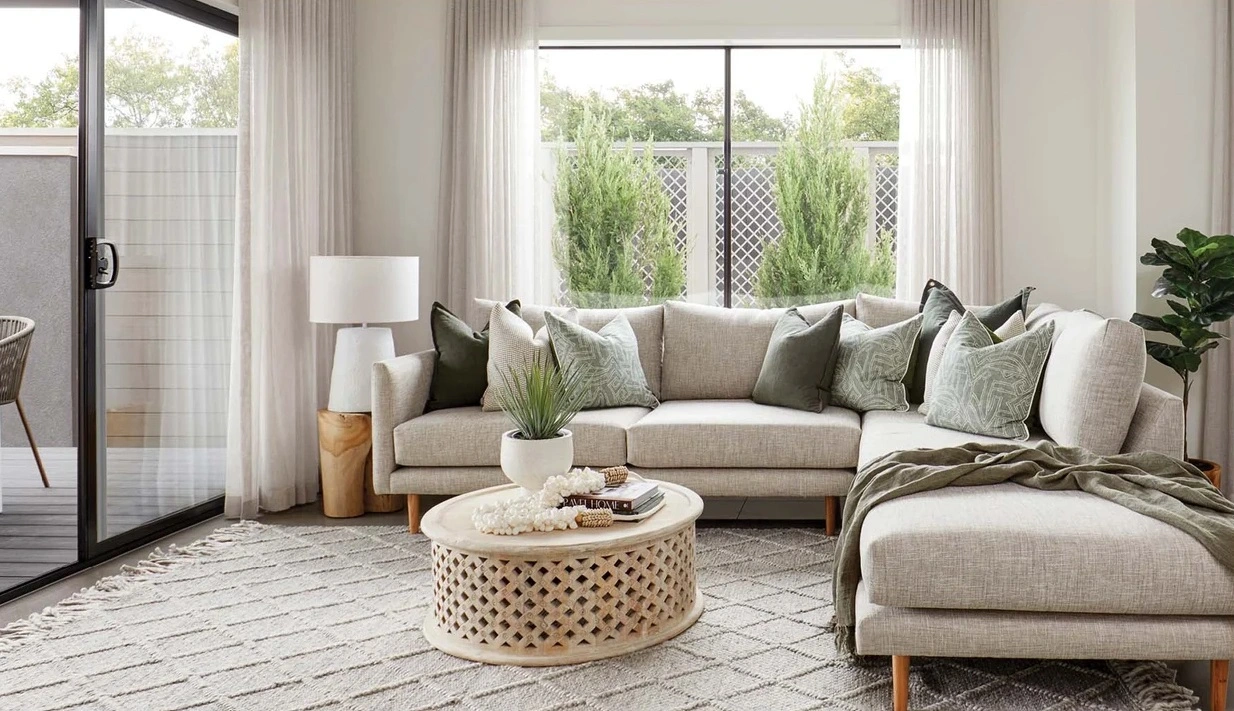
Earthy, warm and here to stay
Interiors this year continue to lean into warm, grounded tones as a softer alternative to bold, high-contrast colour choices. Instead of committing to highly saturated shades that can quickly date a space, hues like ochre, caramel, clay and terracotta add richness without dominating a room. They bring character in a subtle, lasting way—particularly in kitchens, where colour is often kept neutral, sometimes at the expense of warmth or personality.
Design approaches driving this shift include:
Introducing warmth through cabinetry, tiled splashbacks or veined stone finishes
Layering earthy tones with timber joinery, stone surfaces and woven textures
Balancing these palettes with greenery to keep spaces feeling calm and lived-in
Using colour to enhance mood and comfort, rather than create stark contrast
Together, these choices move interiors away from trend-led statements and towards spaces that feel grounded, expressive and designed to age gracefully.
A nod to nostalgia
Mid-century design has enjoyed a strong resurgence in recent years, reflecting a deeper appreciation for past eras and their craftsmanship. In 2026, that interest broadens. Rather than borrowing lightly from one period, homeowners are committing to a chosen era and allowing its design language to shape the space. The result is interiors that feel layered rather than styled—considered, playful and purposeful.
This renewed appreciation for bygone eras appears through:
Honey-toned timbers and furniture inspired by mid-century proportions
Vintage or antique pieces paired with clean, contemporary forms
Subtle Art Deco details, such as brass or gold accents, marble finishes and bold geometry
An embrace of patina, texture and wear as part of a home’s ongoing story
The beauty lies in restraint. A single sculptural light, a curved banquette or a thoughtfully chosen vintage piece can transform the feel of a room—proof that personality doesn’t need to be loud to leave a lasting impression.
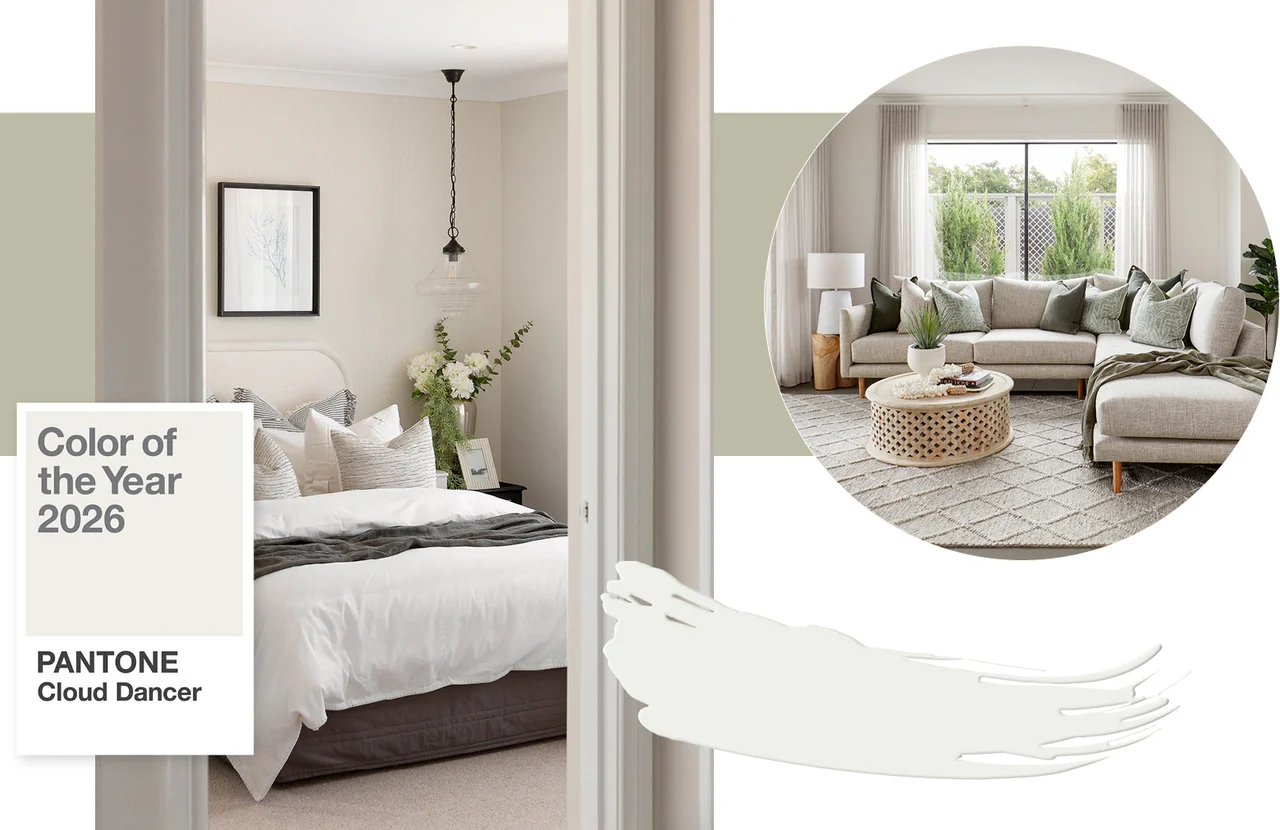
Let’s hear it for the Colour of the Year
2026 Colour of the Year, Cloud Dancer, signals a quiet but meaningful change. This soft, airy white responds to an increasingly overstimulated world, offering calm and clarity as a gentle base rather than a standout feature.
Why Cloud Dancer suits contemporary homes:
Its subtle warmth feels more inviting than a crisp, clinical white
It provides a versatile backdrop for layering texture, colour and materials
It complements earthy palettes, natural timbers and brushed metal finishes with ease
White is no longer about minimalism alone—it’s a considered foundation that allows colour and design details to truly shine.
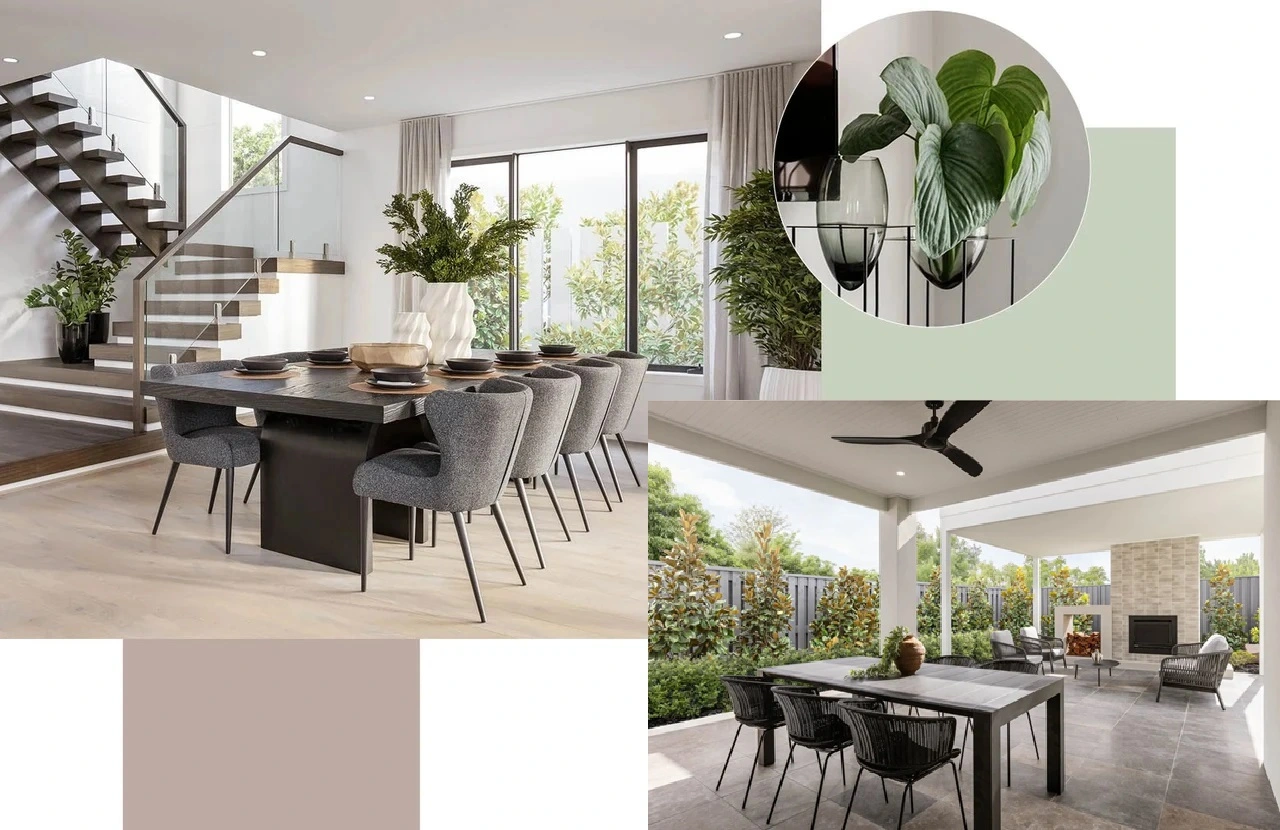
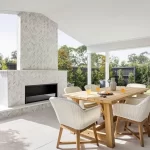
Bringing the outside in
Born from our instinctive connection to nature, this approach creates homes that feel alive through natural light, greenery and organic materials. Beyond visual appeal, these spaces support wellbeing, encouraging calm, balance and everyday ease.
Instead of hinging on one standout feature, the design comes together through considered layers, including:
Maximising natural light with considered window placement and open, flowing layouts
Introducing indoor plants, from sculptural planters to statement trees
Incorporating natural materials such as timber, rattan, stone and linen throughout
When greenery and texture work together, interiors feel grounded, restorative and effortlessly liveable.
Design that lasts
In 2026, sustainability continues to guide interior design, with a clear shift towards longevity over fleeting trends. Quality craftsmanship, timeless materials and well-planned spaces create homes that grow and adapt with their owners.
This long-term approach is reflected in choices such as:
Investing in durable, well-made furniture designed to stand the test of time
Selecting materials that develop character as they age
Extending sustainable thinking beyond construction and into interior decisions
With Melbourne Homes’ seven-star energy-efficient designs providing a strong foundation, sustainability becomes more than a feature—it’s a way of living, woven through every part of the home.