
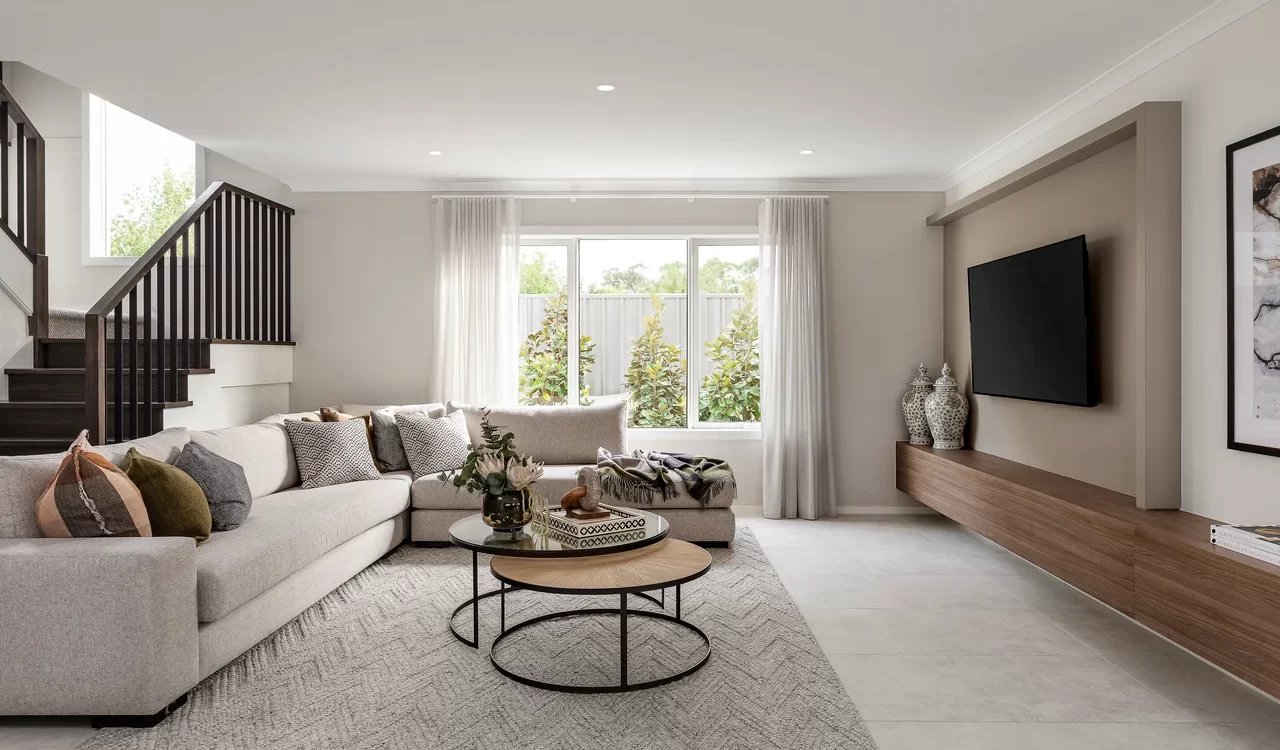
When it comes to interior design, the right window dressings can completely transform a space. Floor-to-ceiling curtains are a popular option thanks to their ability to add elegance, height, privacy, and a sense of luxury. With a wide range of styles, fabrics, and price points available, there’s a solution to suit every home and budget.
In this blog, we’ll explore the latest floor-to-ceiling curtain trends to help you choose window treatments that complement your décor and elevate your home’s overall aesthetic. Whether you’re drawn to soft sheers, natural fibres, layered designs, or bold botanical prints, there’s inspiration here for every interior style. Let’s take a closer look at the trends redefining window dressing in modern homes.
What are floor-to-ceiling curtains?
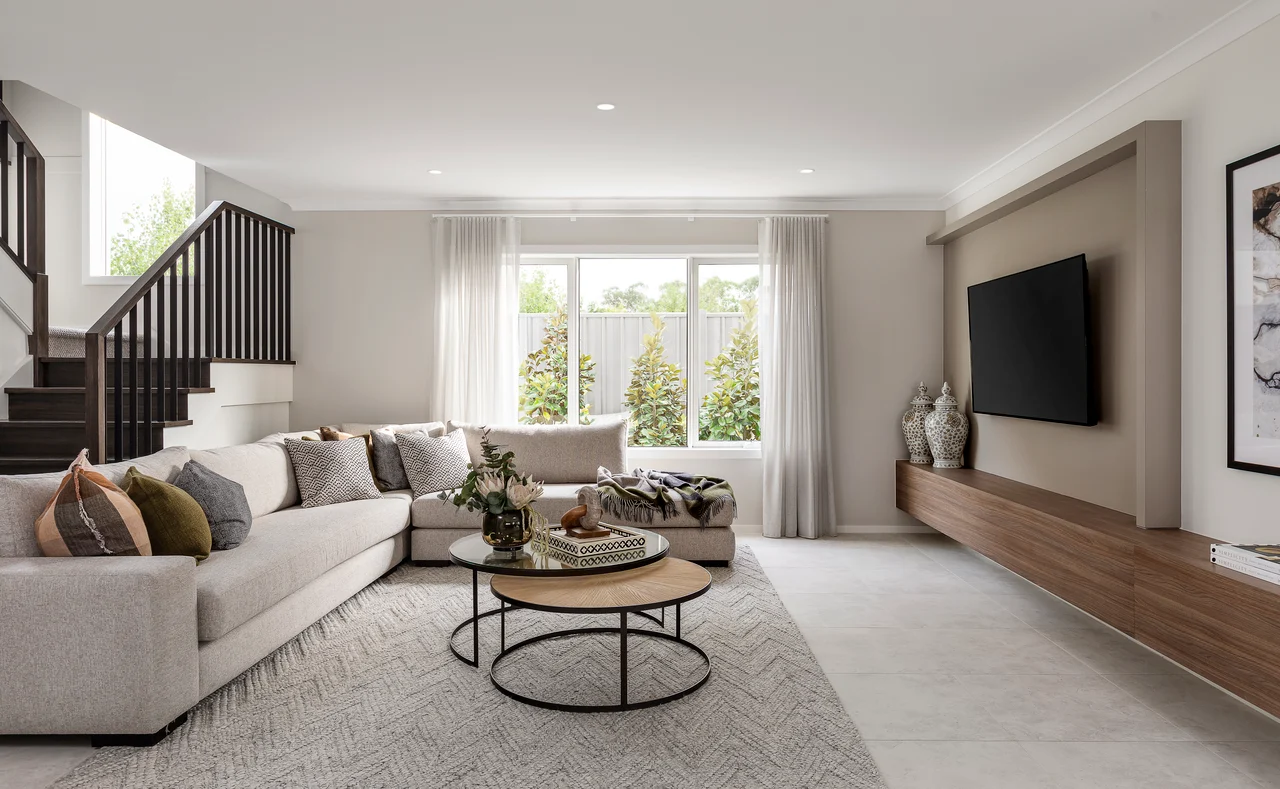
Floor-to-ceiling curtains are a key feature in contemporary interior design. Designed to extend from the ceiling right down to the floor, they create the illusion of higher ceilings while adding drama and sophistication to a room. They’re particularly effective in homes with high ceilings, where they help enhance the sense of scale and luxury.
Available in a wide range of fabrics, colours, and patterns—from lightweight sheers to heavier statement materials—floor-to-ceiling curtains can be customised to suit any window size and design style. They’re an ideal way to personalise your space while making a strong visual impact.
Benefits of using floor-to-ceiling curtains in interior design
There are many advantages to incorporating floor-to-ceiling curtains into your home. Visually, they make rooms feel taller and more spacious, while also delivering a refined and polished look.
They’re also excellent for enhancing privacy and controlling light. With a variety of fabric weights available, you can choose heavier materials for insulation and privacy or opt for lighter fabrics to soften a space and create a warm, welcoming atmosphere. In addition, these curtains can help regulate indoor temperatures by reducing heat loss in winter and limiting heat gain in summer.
Sheer and lightweight options are particularly effective for adding softness and comfort, creating a neat, inviting feel that makes your house feel like home from the moment you walk in.
What size are floor to ceiling curtains?
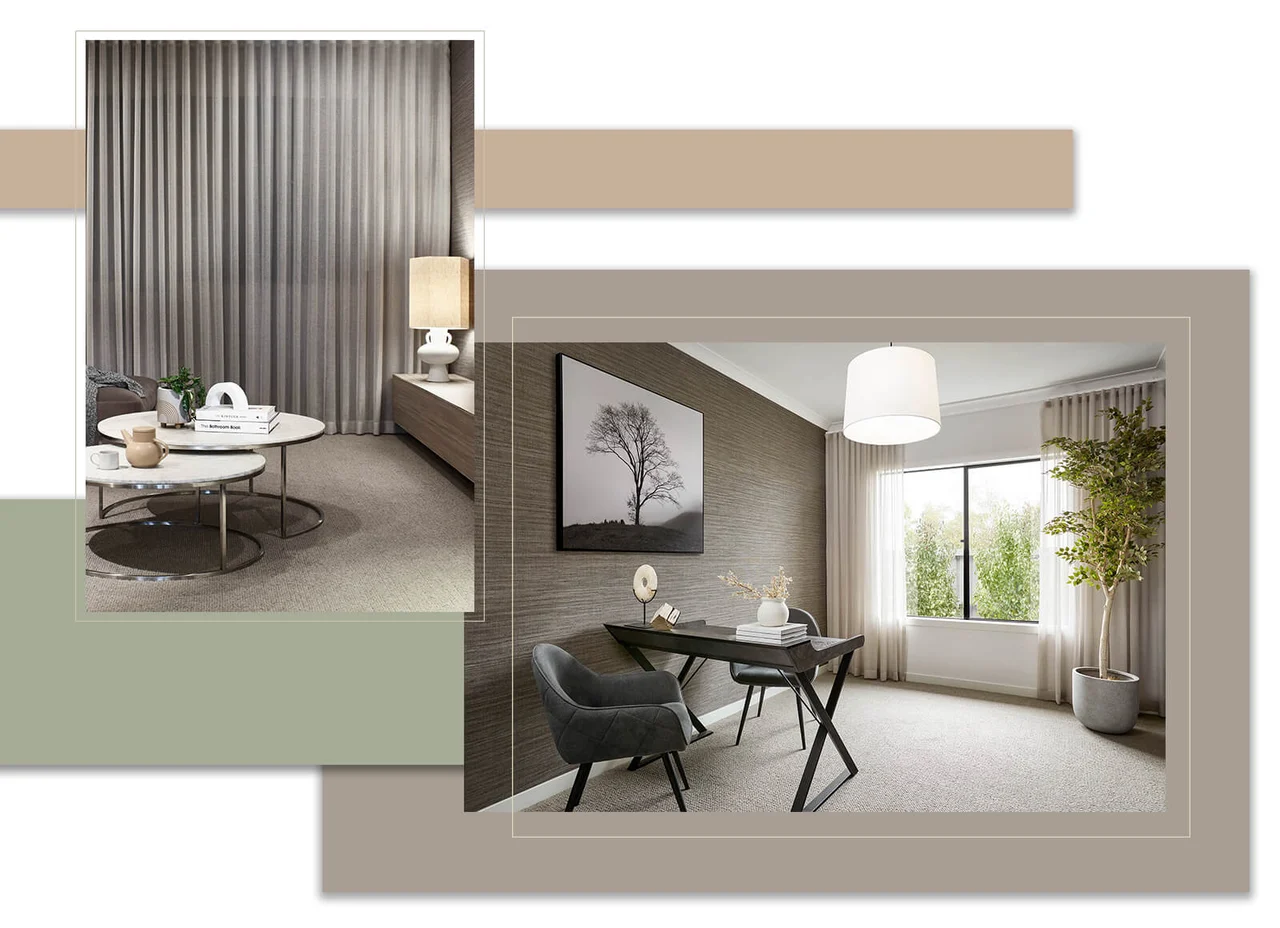
The size of floor-to-ceiling curtains depends on your ceiling height and window dimensions. Accurate measurements are essential to achieving the right look and ensuring optimal functionality, whether your goal is privacy, light control, or purely aesthetic impact.
Once you’ve paid your deposit on your Melbourne Homes property and your final plans are complete, you can use these plans to confirm window sizes throughout your home. This allows you to research options and even pre-order your curtains ahead of time. By coordinating installation for the same week as handover, you can move straight into a home that feels finished, stylish, and private from day one.
Should curtains go from floor to ceiling?
In most cases, yes—curtains look best when they extend from floor to ceiling. This approach enhances the perception of height, creates visual continuity, and adds an elegant, tailored finish to your interiors.
There are several styling options to consider. A popular and practical choice is to have curtains sit about half an inch above the floor, making them easier to operate and helping prevent wear. For a clean, contemporary look, curtains can be measured to just touch the floor, which requires precise measurements but delivers a sleek result.
In more formal spaces, allowing curtains to puddle slightly on the floor can add drama and opulence. This works best with heavier fabrics, which hold their shape better and create a more intentional, luxurious effect.
Regardless of the approach you choose, floor-to-ceiling curtains can significantly enhance both the style and functionality of your home.
Explore the Latest Trends in Floor-to-Ceiling Curtain Styles
Sheers: Light and airy elegance
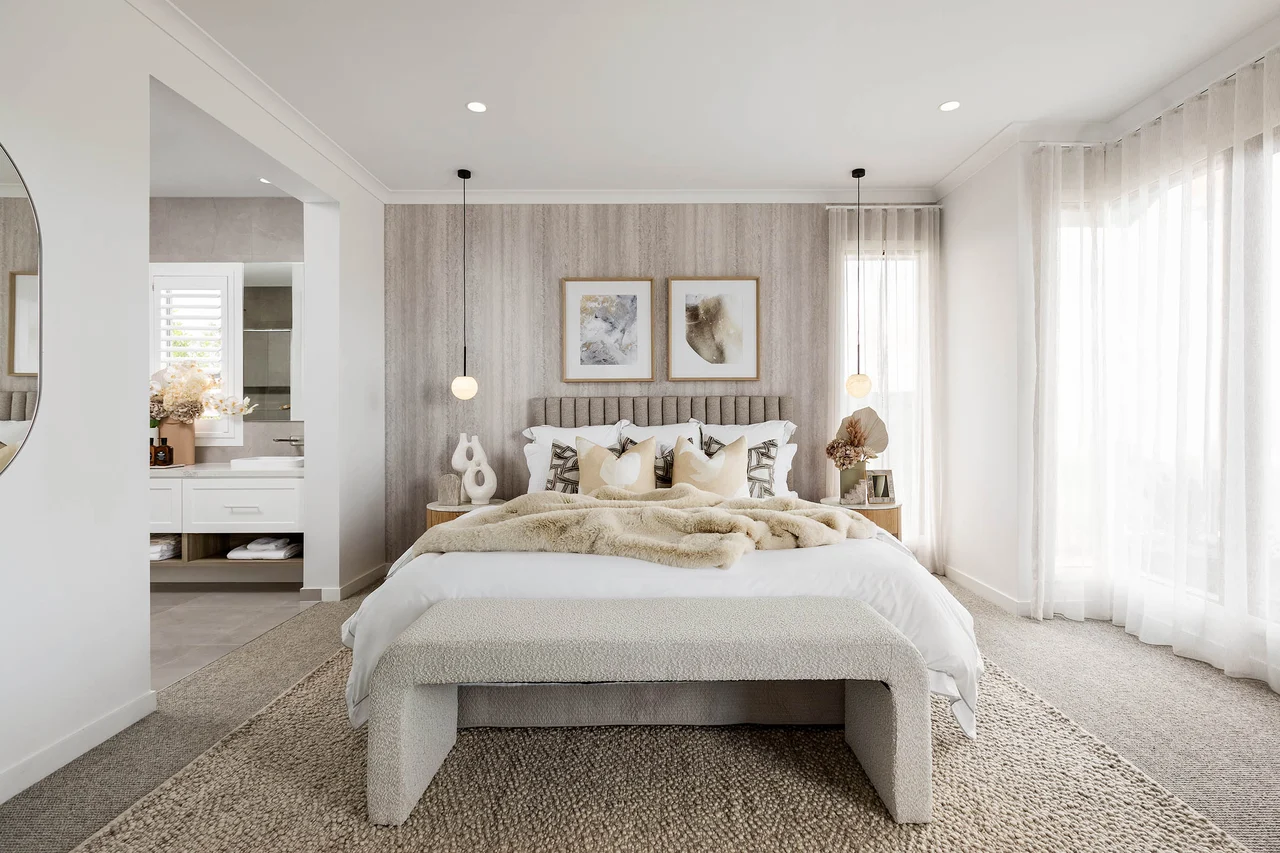
Sheer curtains remain a favourite for their ability to filter natural light while maintaining privacy. They add softness without overpowering a space and are ideal for living areas, dining rooms, and kitchens. Linen sheers, in particular, continue to be popular thanks to their texture, versatility, and compatibility with styles ranging from coastal to contemporary.
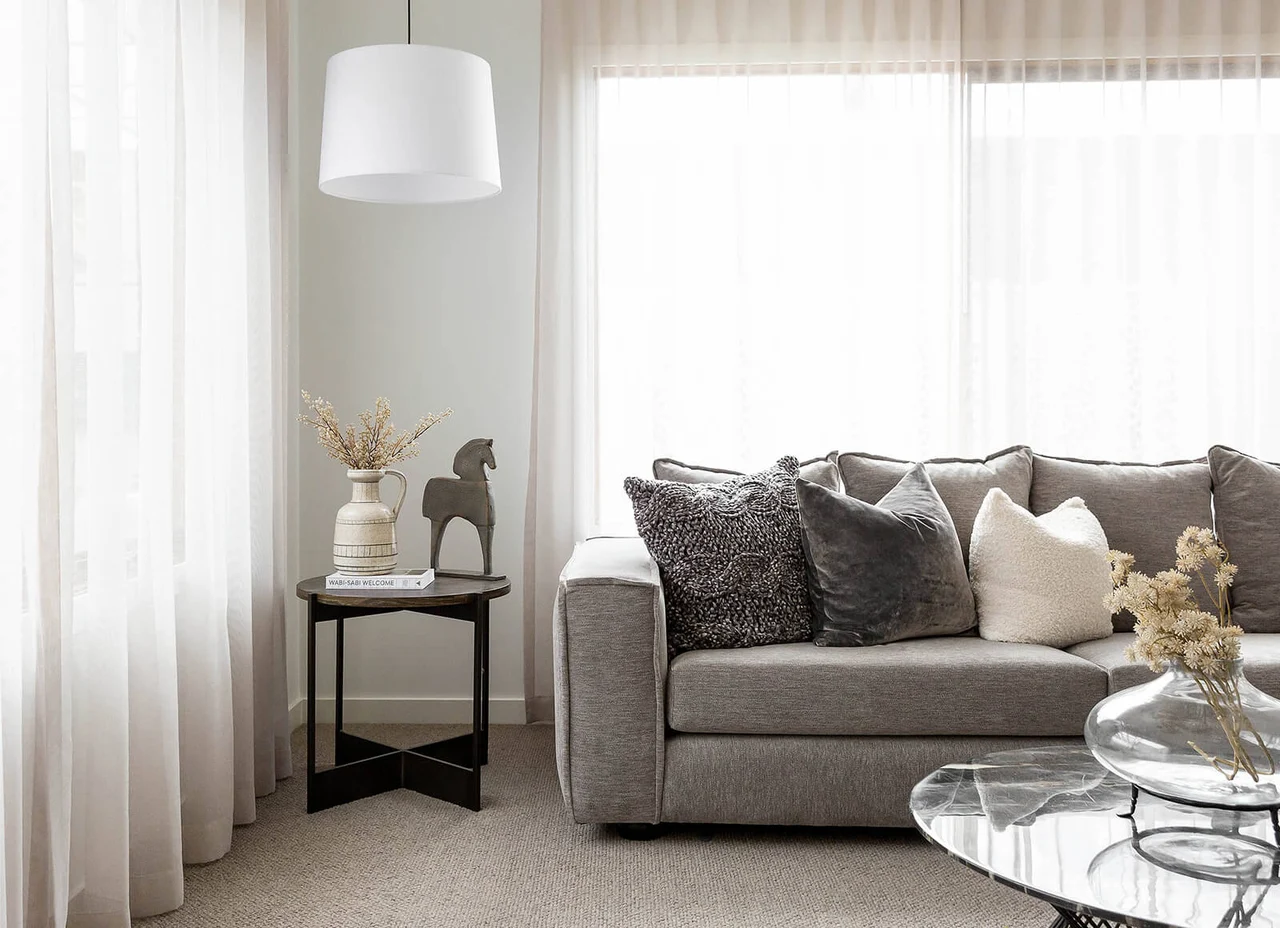
Natural fibres: Sustainable and stylish
Curtains made from natural fibres such as linen, cotton, bamboo, and wool are increasingly popular for their sustainability and tactile appeal. These materials bring warmth and character to a room while supporting an eco-conscious lifestyle. For a more luxurious feel—particularly in bedrooms—natural silk curtains offer a refined and elegant option.
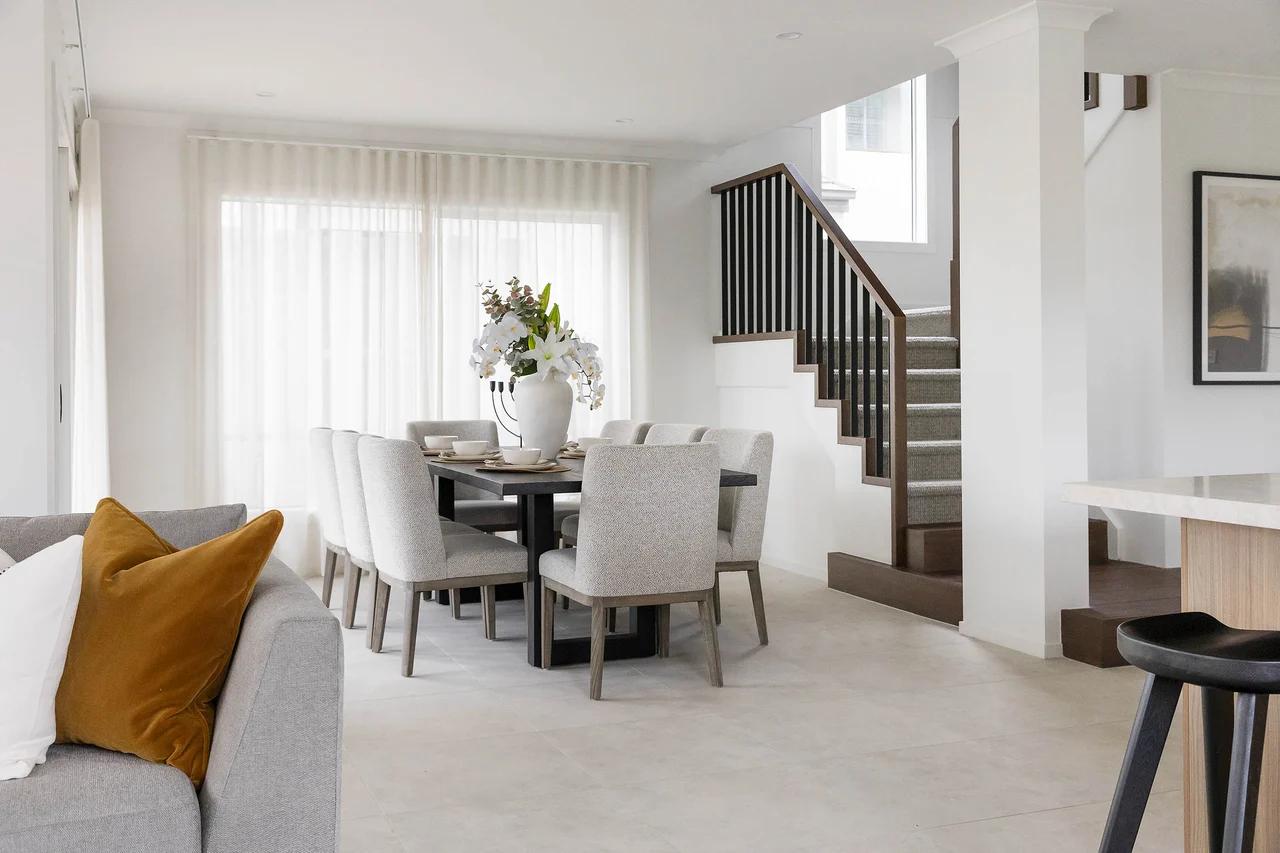
Layered window treatments: Depth and versatility
Layered window treatments are a key trend in creating a high-end look. Pairing sheer curtains with blockout curtains, or combining roller blinds with floor-to-ceiling drapes, offers flexibility, improved insulation, and visual depth. This approach allows you to easily adjust light levels while maintaining a cohesive and sophisticated aesthetic.
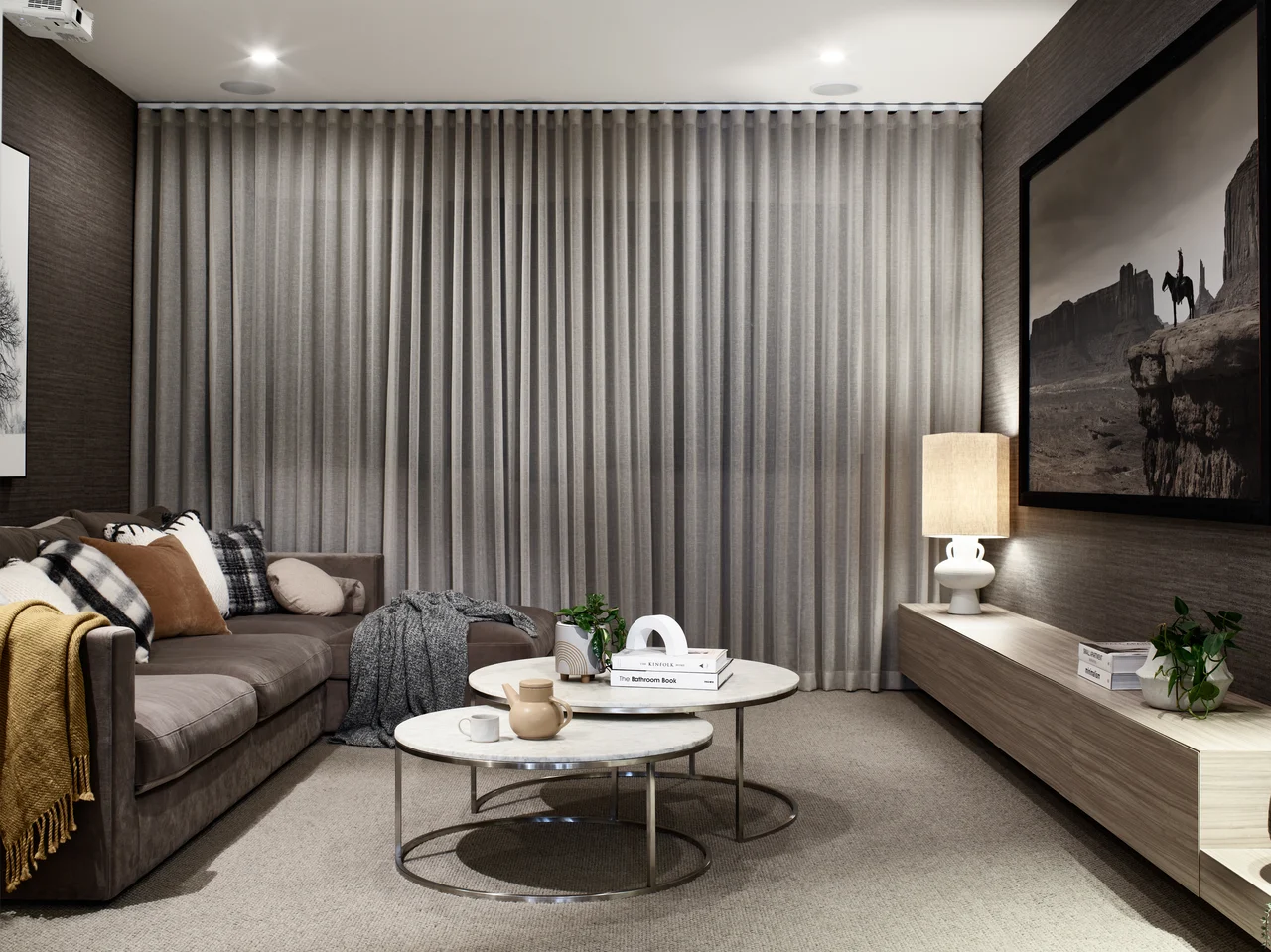
Nature-inspired colours: Bringing the outdoors in
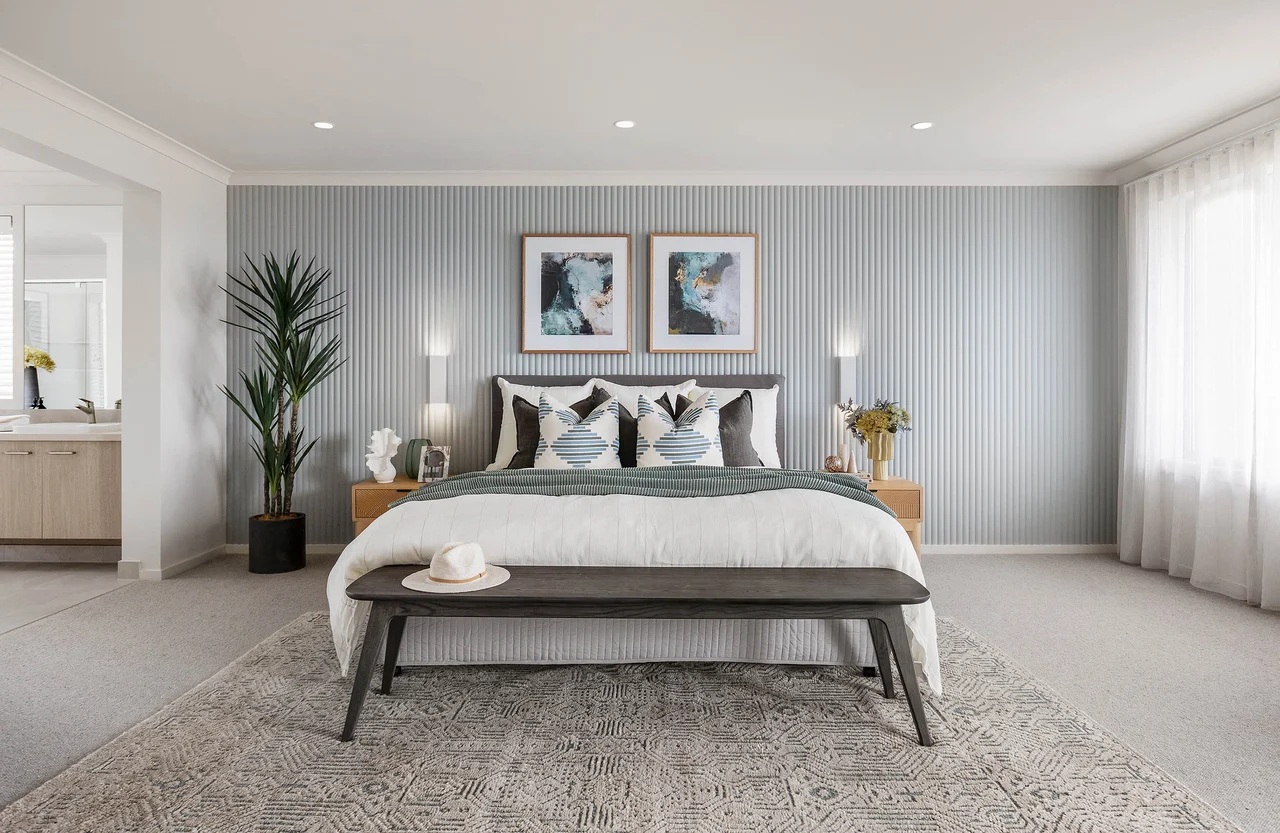
Earthy and nature-inspired tones such as beige, greige, soft greens, and muted blues are trending in window furnishings. These shades create calm, comforting spaces, while deeper hues like forest green, ocean blue, burgundy, and plum add drama—especially when paired with rich fabrics like velvet.
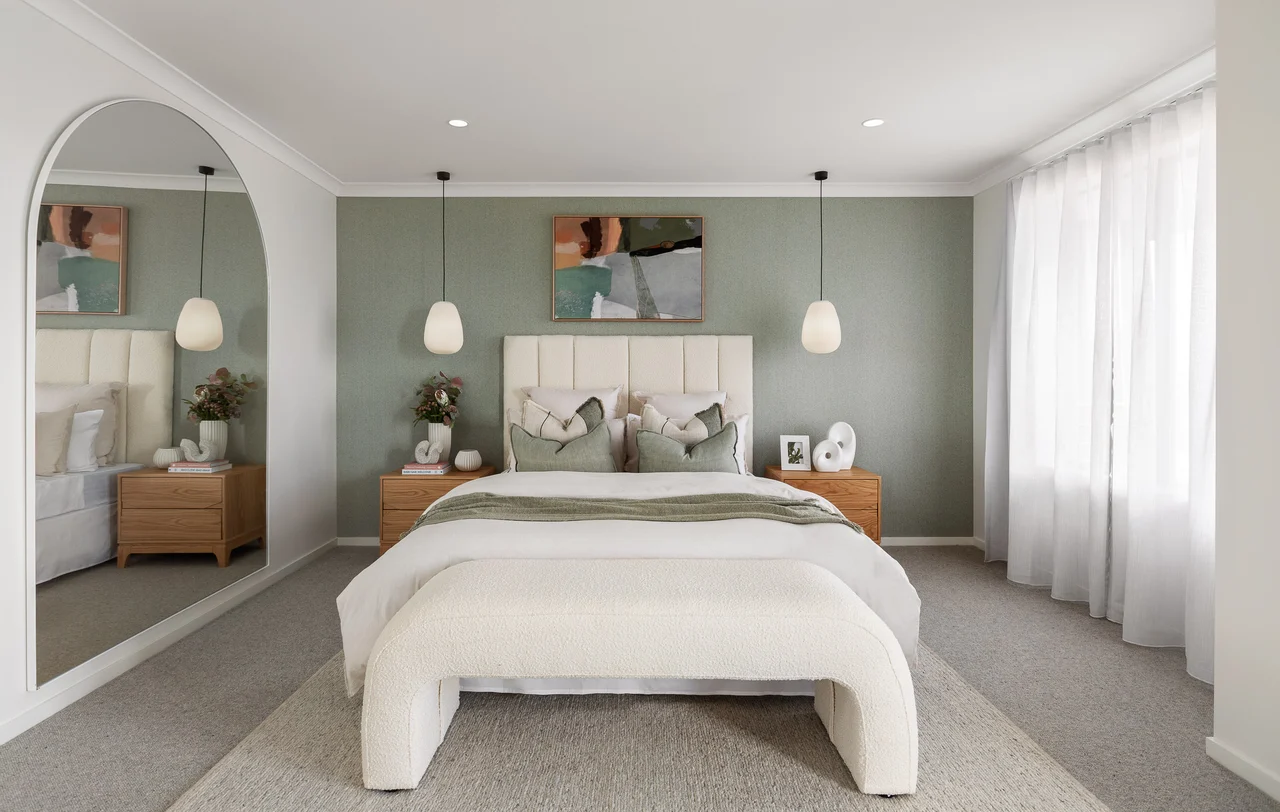
Botanicals: A touch of nature
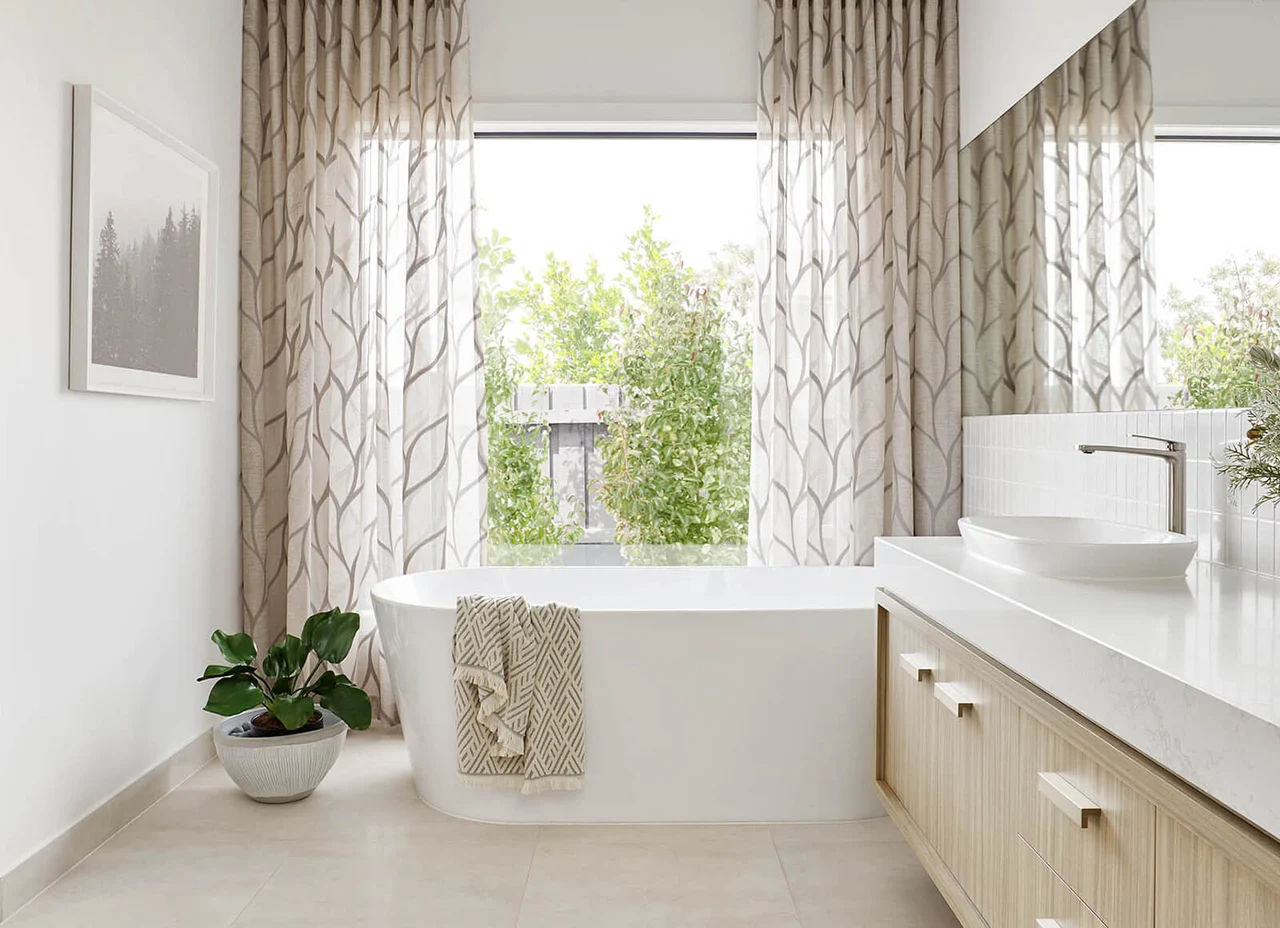
Botanical and floral prints are gaining popularity, often featuring oversized or painterly designs. These patterns help blur the line between indoors and out, making them ideal for homes that embrace natural light and views. To keep the look balanced, pair bold prints with simpler furnishings elsewhere in the room.
Minimalist hardware: Clean and contemporary
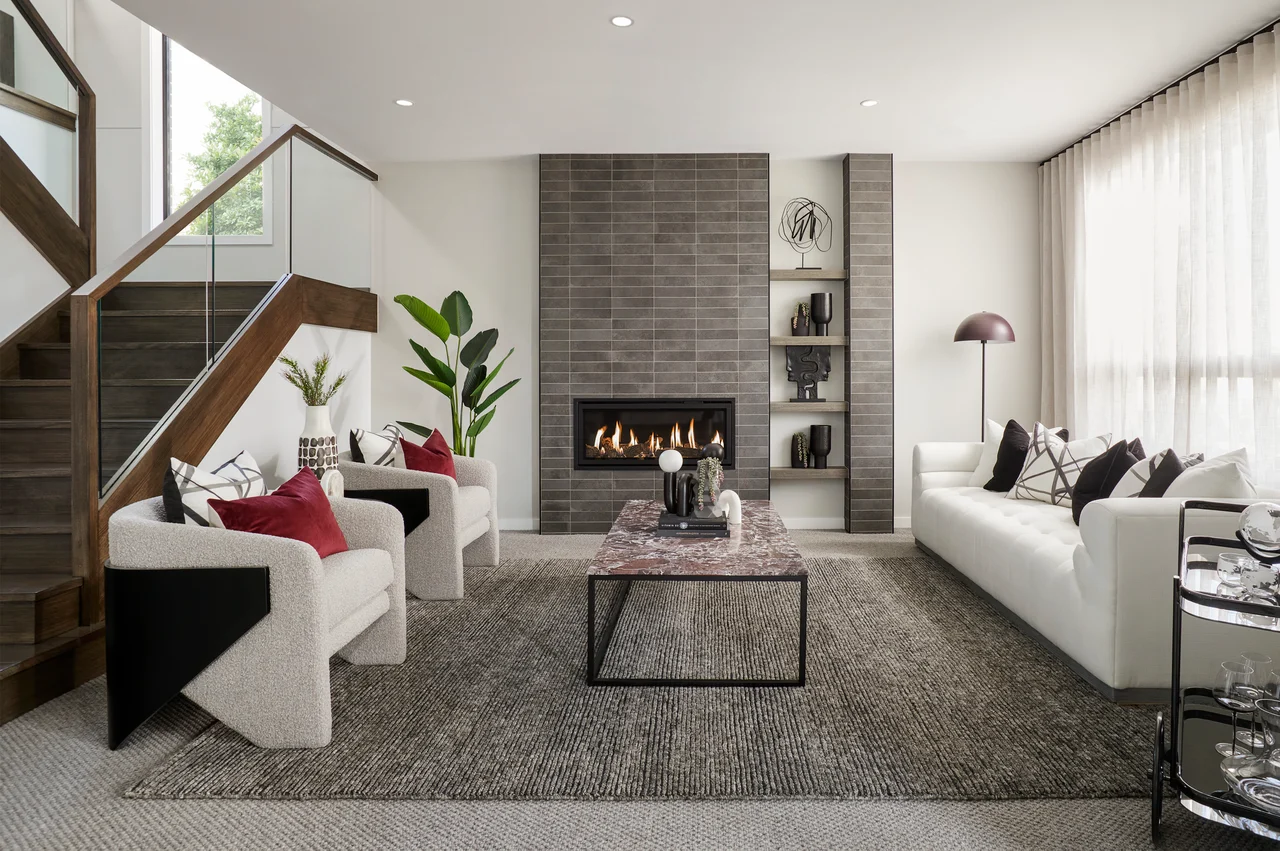
Slimline curtain tracks and minimalist hardware are becoming the preferred choice for modern interiors. Ceiling-mounted tracks are particularly popular, as they enhance the sense of height and create a streamlined finish.
If you’re building with Melbourne Homes, ceiling-mounted curtain tracks typically require square-set ceilings. If your home includes cornices, you can still achieve a similar effect by specifying a track positioned 50mm below the cornice, which pairs beautifully with s-fold curtains.
Curtain–blind combinations: Practical and stylish
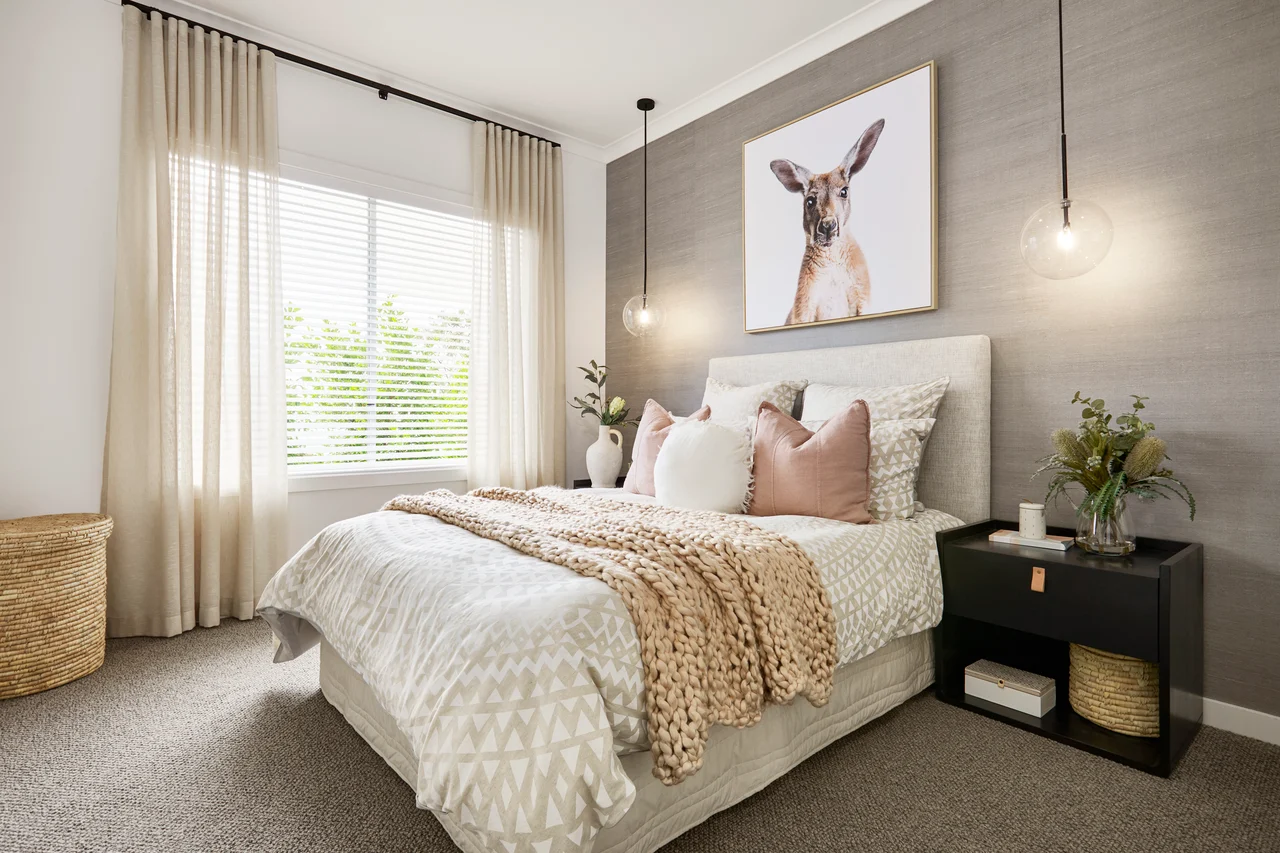
Combining curtains with blinds offers the best of both worlds—softness and warmth alongside precise light control. This trend is especially popular in bedrooms, where flexibility is key, allowing you to adjust light and privacy levels throughout the day.
Different styles of window coverings
Beyond floor-to-ceiling curtains, there are many window covering options to consider. Plantation shutters offer flexibility and a timeless Hamptons-inspired look, while roller blinds provide clean lines and versatile light control. Venetian blinds add structure and adjustability, making them a practical choice for many spaces.
Not sure if floor-to-ceiling curtains are right for you? Explore our essential guide to choosing the right window dressings for your home.
Conclusion
Floor-to-ceiling curtains are a timeless and versatile addition to any home. By embracing current trends and considering practical details such as fabric choice, layering, and installation, you can create window treatments that enhance both the beauty and comfort of your interior spaces.