The facade of your home is more than just its outer shell—it’s the first impression, the warm welcome you return to each day. It sets the style and mood for everything that lies beyond the front door, carrying your home’s design from the outside in.
That’s why it’s worth ensuring your new home’s facade reflects your personal taste—a design that brings pride, comfort, and a distinct character that’s undeniably yours.
More than just a matter of style, the facade plays a big role in your home’s street appeal. It can boost property value, enhance privacy, and even improve security.
Choosing the right facade is an investment in how your home looks, feels, and functions. Take the time to find one that you’ll love seeing—every single day.

What Is a House Facade and Why Is It Important?
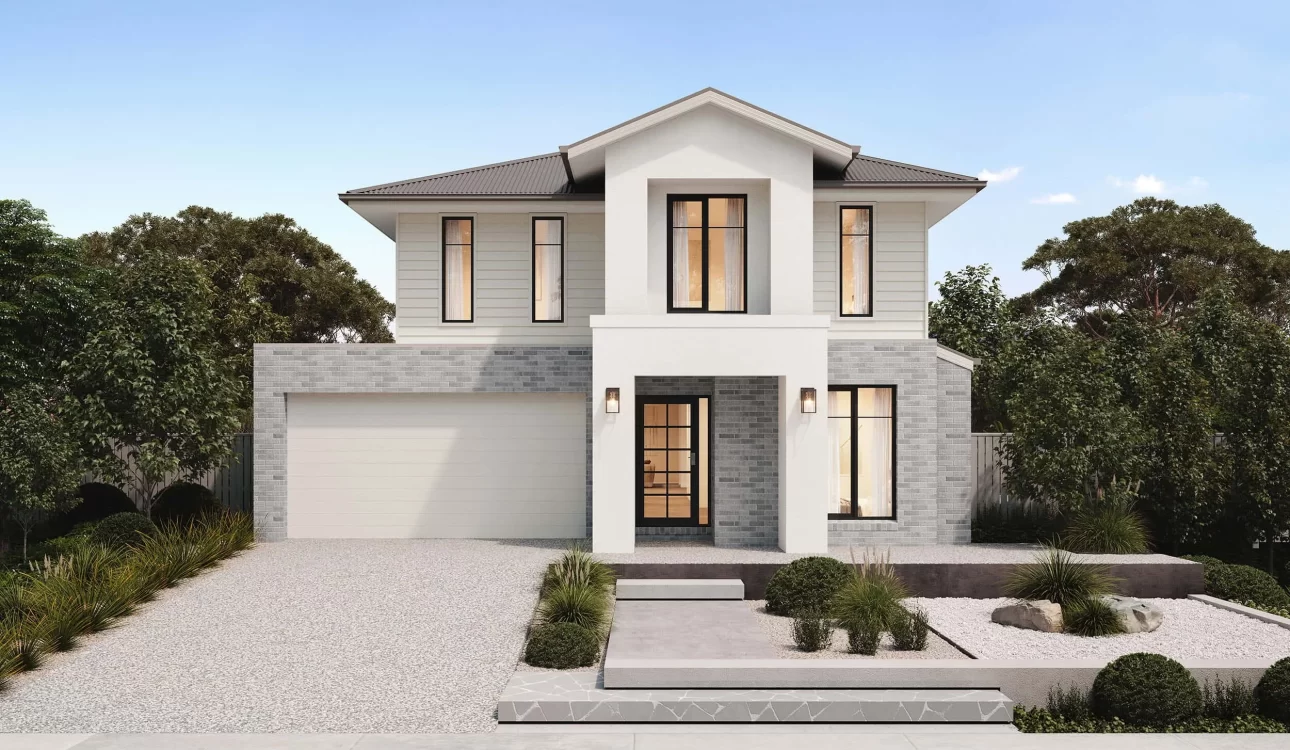
A house facade is the front exterior of your home—typically the side that faces the street. It combines architectural elements like the roofline, materials, entryway, doors, and windows to create a cohesive look that expresses your personal style.
Often the first design choice in a new build, the facade sets the tone for your entire home. It reflects your personality and creates a welcoming entry for you, your family, and your guests—leaving a lasting impression on everyone who passes by.
Beyond aesthetics, a well-designed facade adds street appeal and can boost your home’s value. In a competitive market, it helps your home stand out before anyone even steps inside.
Facade vs. Floor Plan: Designing Inside and Out
Think of your home design as two parts:
- The facade defines how your home looks from the outside.
The floor plan shapes how you live inside it.
While the facade captures attention and communicates style, the floor plan brings your lifestyle to life through space, flow, and function. A thoughtful pairing of the two ensures your home feels both beautiful and livable—inside and out.
Key Features of Australian House Facade Designs
- Roof Style: Shapes your home’s silhouette and contributes to its overall character.
- Material Selection: From brick and stone to timber and render, materials play a key role in defining your home’s personality.
- Entryway Design: The front entry should feel warm and welcoming, blending practicality with aesthetic appeal.
- Windows: Like the eyes of your home, windows bring in natural light and connect interiors with the outside world.
- Front Door: Often a focal point, your front door can express bold style or quiet elegance.
- Garage Door: A well-matched garage door can elevate your facade and become a design feature.
- Balconies & Porches: These outdoor spaces add character and extend your living area.
How the Facade Selection Process Works?
Choosing your facade is a personal journey. Some people arrive with a clear vision—already inspired by their favourite styles and ready to make a choice as soon as they visit a Display Home. They’ll often choose a facade first, then move on to selecting the right floor plan.
Others may start with the floor plan, selecting a layout that suits their lifestyle, then exploring compatible facades from our curated range. Either way, our experienced sales consultants are here to guide you every step of the way.
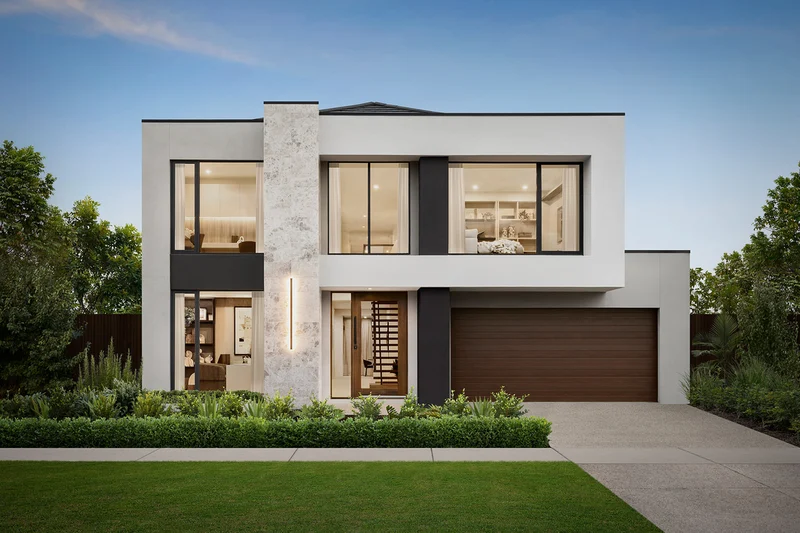
Explore Facade Options for Every Home Style
- Single-Storey Facade Ideas: Embrace modern design with clean lines, natural textures, and welcoming entrances. These facades are ideal for a relaxed, contemporary Australian lifestyle.
Double-Storey Facade Ideas: Make a bold statement with sleek designs, wide entryways, and expansive windows. Our double-storey options combine striking aesthetics with everyday functionality.
What to Consider When Choosing Your House Facade Design
Designing your home’s facade is your opportunity to make a bold first impression and showcase a style that truly reflects your personality. It’s about finding the perfect balance between aesthetics—such as your choice of colours, textures, and materials—and practical elements like the entryway, windows, and doors.
Building the Perfect Facade with the Right Materials
The materials you choose for your facade play a key role in defining your home’s personality. Whether it’s the timeless appeal of brick, the warmth of timber, the raw beauty of natural stone, or the sleek finish of render, each material adds its own unique touch.
At Melbourne Homes, we often blend multiple materials to create facades that are both distinctive and visually engaging. Brick and Colorbond cladding remain among the most popular choices, while James Hardie fibre cement sheets offer a modern, low-maintenance alternative. Timber accents and textured finishes add further depth and character. Just keep in mind—natural materials like timber may require more upkeep to retain their charm over time.
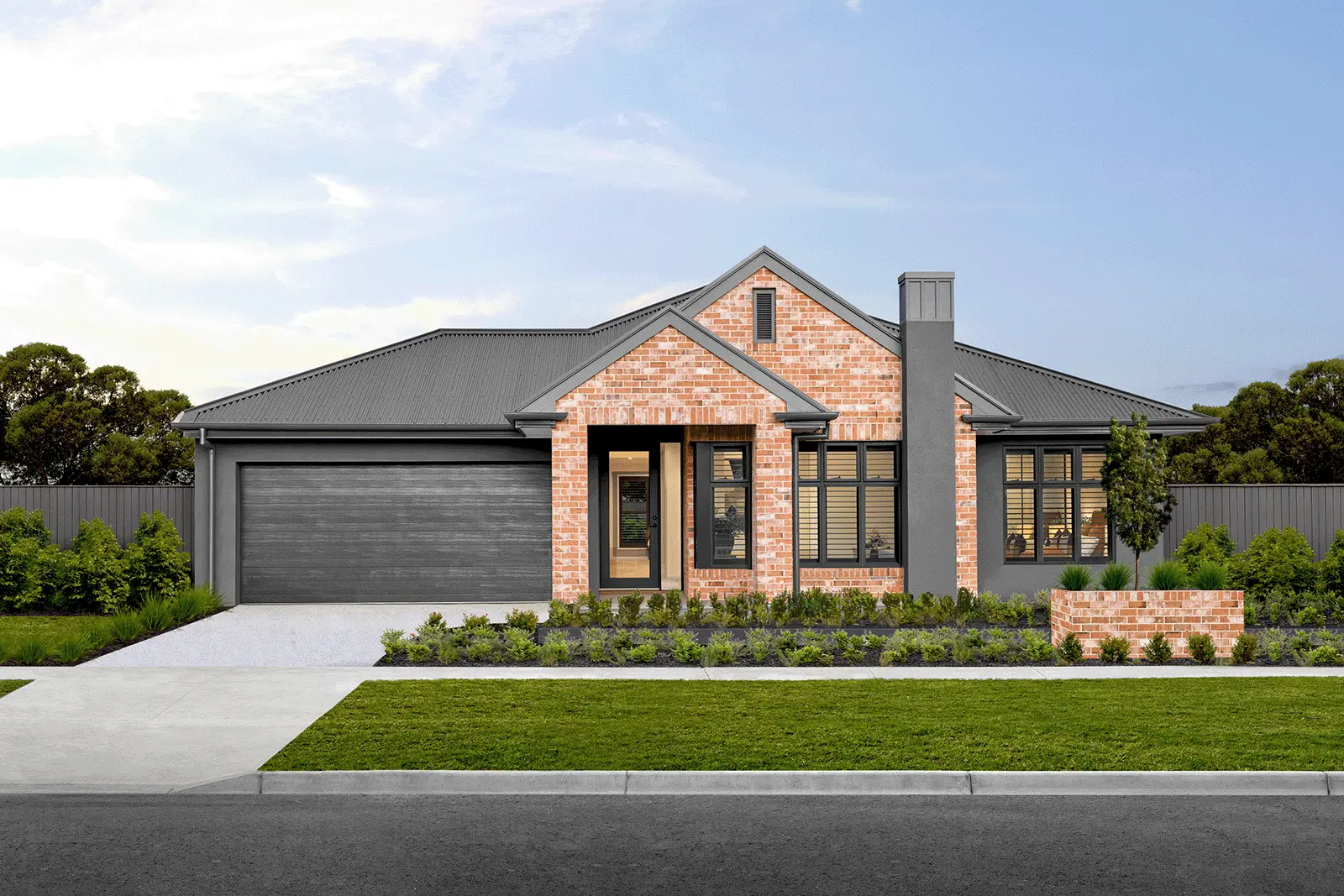
For a balanced and cohesive design, we recommend using no more than two or three materials. A popular and effective combination includes exposed brick, smooth render, and a Colorbond roof. This trio creates a clean, modern look—the durability of brick, the softness of render, and the crisp lines of a Colorbond roof work beautifully together to make a lasting impression.
The Power of Colour in Facade Design
Choosing the right colour palette for your facade can be one of the most impactful decisions in your home build. While it might feel overwhelming, simplicity often delivers the strongest results. Neutral shades like grey, black, beige, and cream remain timeless and versatile, pairing effortlessly with a wide range of architectural styles and materials.
Matching Your Interior Style to Your Facade
Your home’s exterior should be a seamless extension of what lies within. A traditional facade pairs beautifully with heritage-style interiors, complete with antique furnishings and classic detailing. Meanwhile, a modern exterior with clean lines and minimalist finishes suits interiors with open spaces, monochromatic colour palettes, and contemporary furniture.
For example:
- A red brick facade works perfectly with rustic or traditional interiors, complementing wood finishes, earthy tones, and classic styling.
A sleek rendered facade in whites and greys suits coastal or modern interiors—think light, airy spaces with minimalist decor and soft, neutral accents.
Creating cohesion between your exterior and interior design ensures your home feels unified, polished, and thoughtfully designed from every angle.
Consider Your Surroundings
Your home’s facade should not only express your personal style but also suit its environment—both visually and functionally. For example, if you’re building in a coastal area, opt for durable materials like cement cladding, which can better withstand salty air and harsh weather conditions. A neutral, coastal-inspired colour palette can also help your home blend beautifully into its natural surroundings.
It’s also important to consider the broader streetscape. Whether your neighbourhood features sleek, modern homes or more traditional designs, your facade should complement the existing aesthetic, helping to create a cohesive and harmonious streetscape.
Balancing Style with Practicality
While style is essential, practicality should guide your facade choices too. Start with your budget—some finishes and materials may have visual appeal but come with higher costs, while others offer long-term durability and performance at a more affordable price.
Energy efficiency is another important factor. Features like insulated cladding or energy-smart windows and doors can significantly reduce heating and cooling costs, enhancing year-round comfort.
And don’t forget maintenance. Choose materials that are suited to your local climate and are easy to maintain over time. For example, timber looks beautiful but may require more upkeep than low-maintenance alternatives like render or fibre cement.
Know the Guidelines: Design Covenants & Local Regulations
Before locking in your facade design, it’s important to understand any developer guidelines or local regulations—especially in new estates. Many developments have design covenants that ensure a consistent look across the neighbourhood.
These may include requirements such as:
- Using a mix of materials (e.g., brick and render)
- Avoiding full-brick facades
- Colour scheme restrictions
- Minimum landscaping standards
Your builder will usually need to submit your facade design to the developer for approval. If it doesn’t meet the guidelines, you may be asked to adjust your design or choose a different facade altogether.
Being familiar with these requirements early in the process can help you avoid unexpected delays, additional costs, or design revisions down the track.
Make Your Home’s Exterior Stand Out with Style
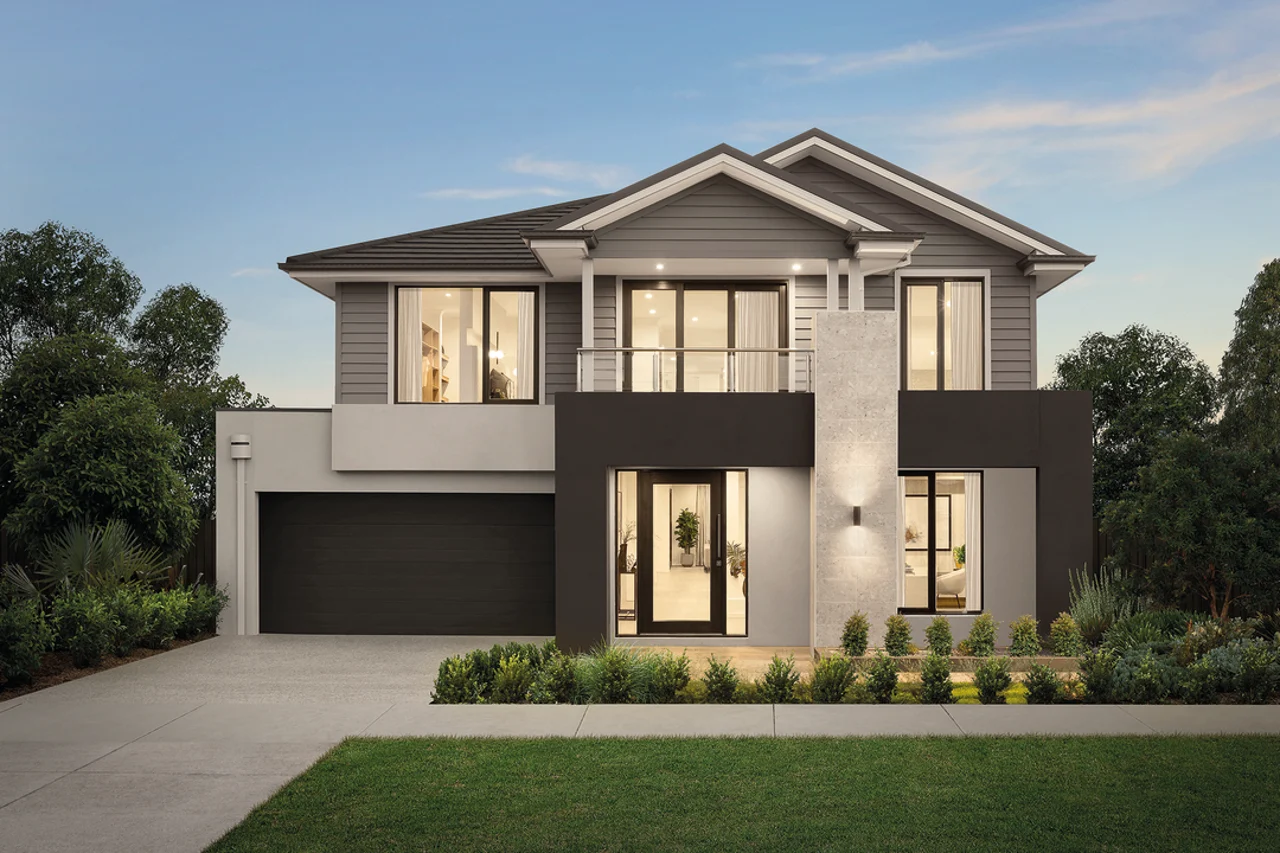
Choosing the right facade is a key design decision—it sets the tone for your entire home and shapes the first impression it makes. Your facade should complement your selected floor plan, creating a seamless flow between the exterior and interior.
Every detail matters—from materials and finishes to architectural features. These elements come together to create a facade that not only stands out on the street but also reflects your personality and style.
Explore our diverse range of home designs and speak with our team to discover the many possibilities. Together, we’ll help you create a facade that brings your dream home vision to life.