Autumn is often called the garden’s second spring. With cooler temperatures and settled soil, Melbourne’s quieter months are one of the best times to plant—and a little effort now will pay off well before the seasons shift again.
There’s a common belief that gardens slow down in autumn, but in Melbourne, the opposite is true. As the heat fades and the soil retains warmth from summer, plants establish more easily, need less water, and thrive with less stress. For homes with compact backyards or courtyards, this is an ideal window to get ahead.
Tidy up with care
Before planting, take a moment to assess what’s coming to the end of its cycle. If your summer herbs or vegetables are going to seed, hold off on pulling them out straight away. Their fading flowers provide an important food source for pollinators when options are limited. Once they’ve finished, you can clear them out.
Start with the soil
Healthy soil sets the foundation for a successful garden. Autumn is the perfect time to refresh garden beds and containers, especially if you’re planning to introduce nutrient-hungry plants.
For pots, ideally replace the old mix completely and top it up with compost, slow-release fertiliser, and a liquid organic feed. If that’s not practical, add as much compost as possible and treat it the same way. Quality soil will make a noticeable difference throughout the cooler months.
What to plant now
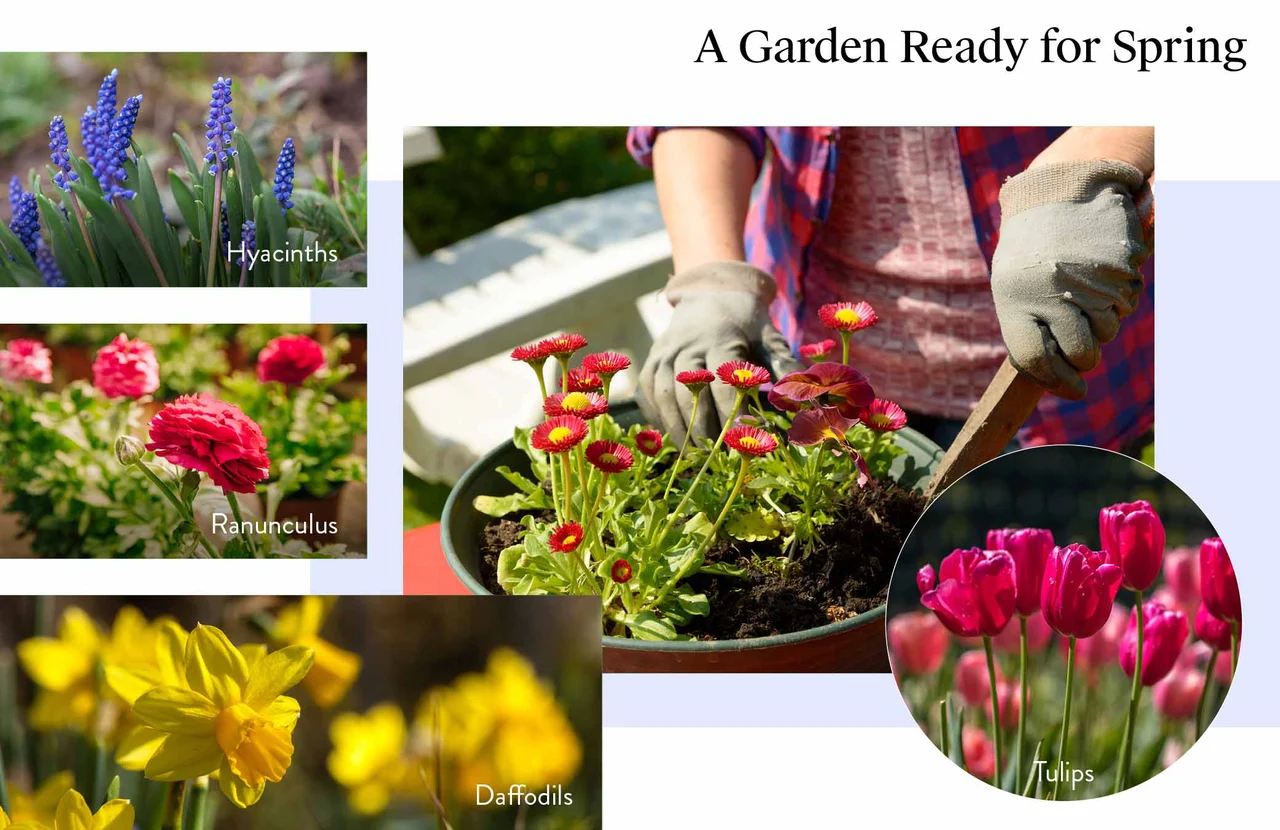
With your soil prepared, autumn offers plenty of planting options. For a vibrant spring display, bulbs like tulips, daffodils, ranunculus, and hyacinths can be planted from April to June. They work beautifully in both pots and garden beds, especially when grouped in clusters.
For colour through winter, violas and pansies are dependable and easy to care for. Hellebores are particularly well suited to Melbourne courtyards—they thrive in shade, require minimal upkeep, and flower during the colder months when most plants are dormant.
For structure and year-round interest, camellias are a strong choice, offering lush foliage and blooms across autumn and winter. They, along with hydrangeas, perform well in partially shaded areas and bring generous rewards come spring.
Ground covers like liriope and native violets help suppress weeds while keeping the space neat with little effort. Mixing plants of varying heights and textures—such as ferns, sweet box, and a structural camellia—creates a layered, balanced look. For sunnier spots, lavender establishes well in autumn and delivers fragrance and colour as the weather warms.
Support pollinators through winter
Planting with pollinators in mind benefits both the environment and your garden’s long-term health. Winter-flowering annuals, native plants, succulents, and repeat-flowering perennials all help sustain insect life. Salvias, particularly varieties like Salvia leucantha, are well suited to Melbourne conditions and flower reliably into spring.
Seeds or seedlings?
Before heading to the nursery, consider your approach. Seeds are more economical and offer variety, while seedlings provide faster, more predictable results—especially in smaller spaces. For courtyard gardens, seedlings are often the more practical option if you want to establish plants before the coldest part of winter.
Creating a space to enjoy
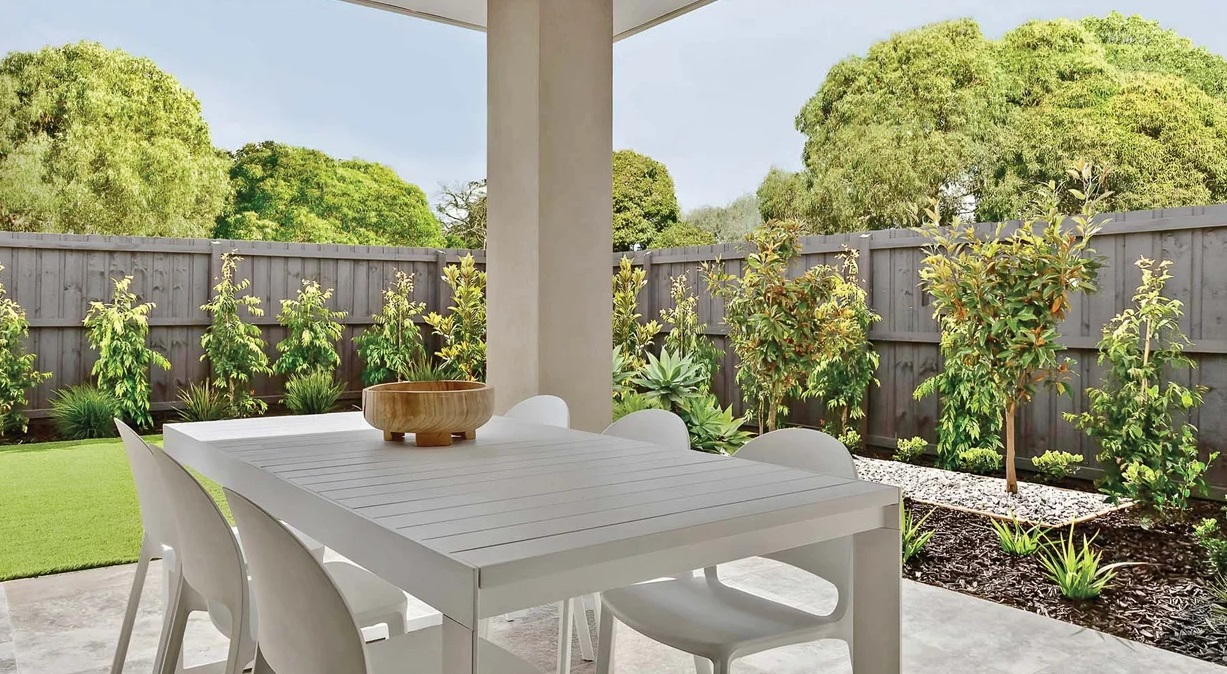
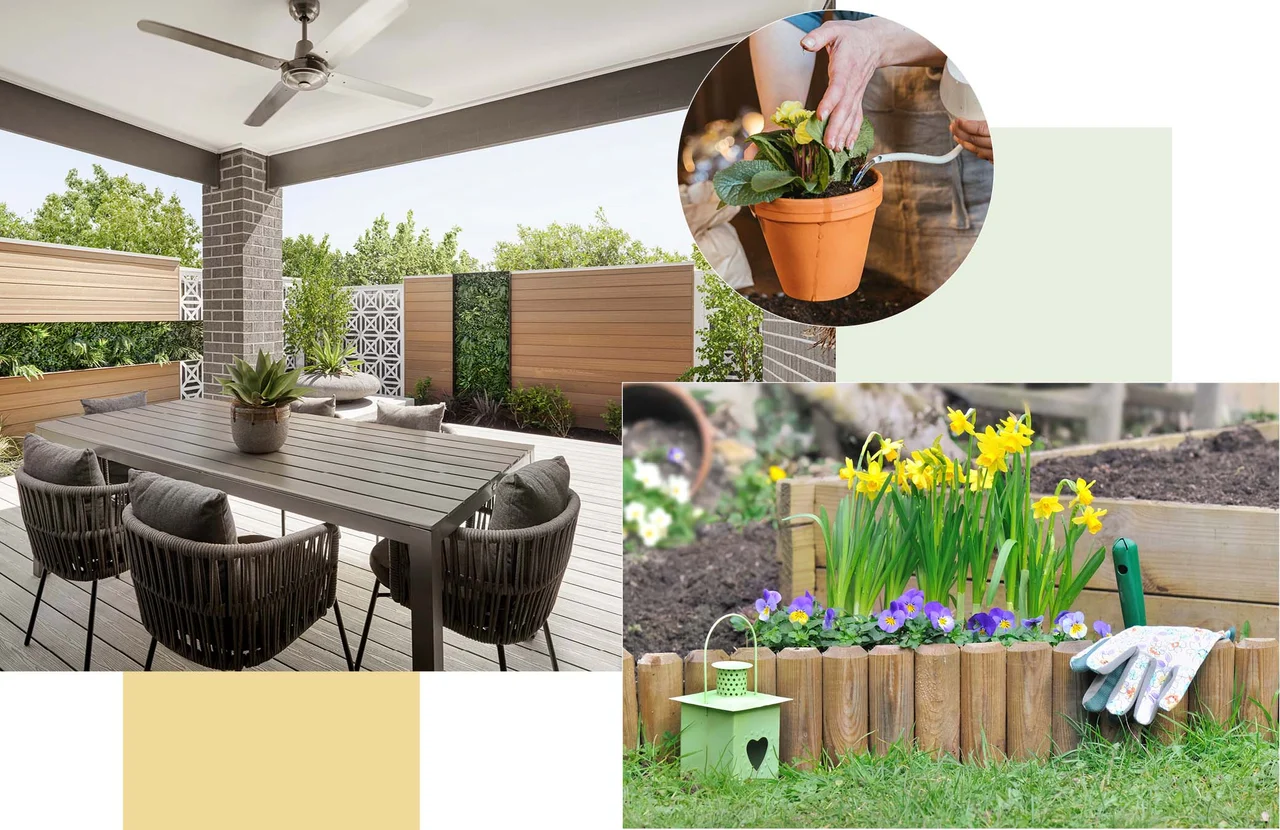
The plants around your alfresco area do more than fill space—they shape how you use it. A camellia can offer privacy, pots of violas can bring colour to your outdoor table, and lavender along the edges adds fragrance to crisp autumn evenings. Melbourne Homes designs alfresco spaces to seamlessly connect indoor and outdoor living, and a thoughtfully planned garden enhances that experience.