
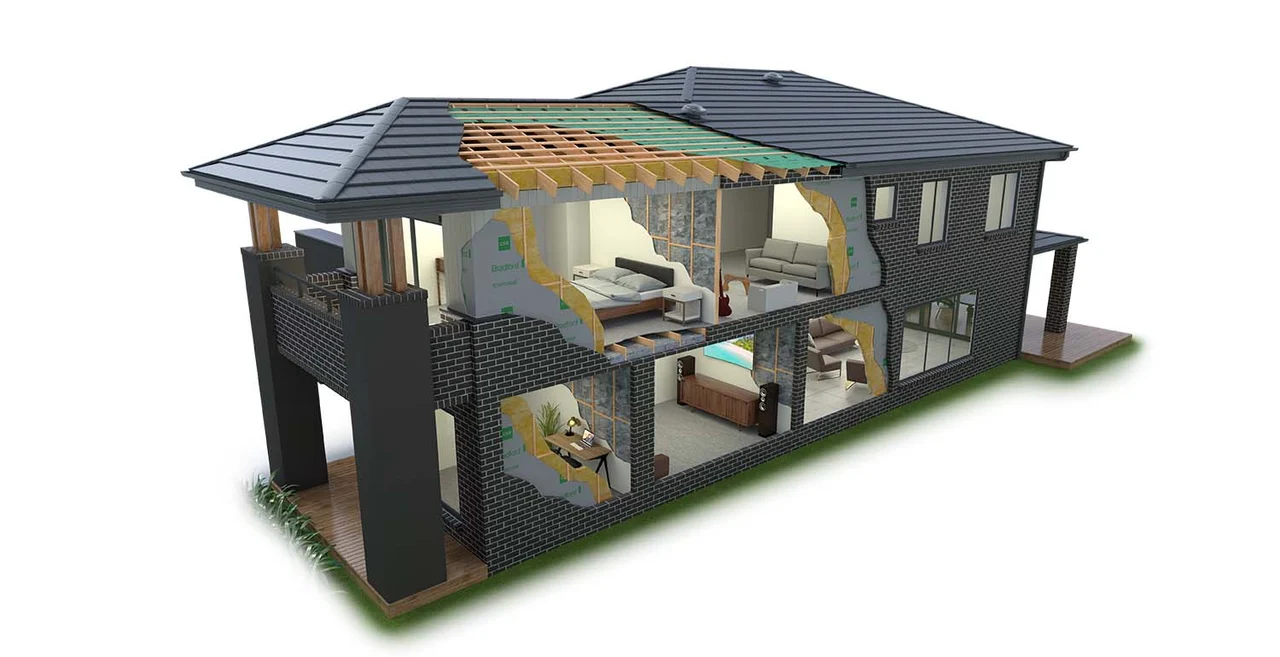
Understanding R-values will help you choose more effective insulation for your home.
Investing in quality thermal insulation is one of the smartest decisions you can make for your home. The right insulation not only enhances indoor comfort but also improves energy efficiency and lowers your ongoing energy bills. As you explore different insulation options, you’ve probably encountered the term R-value. But what does it actually mean, and why is it a crucial factor when selecting insulation?
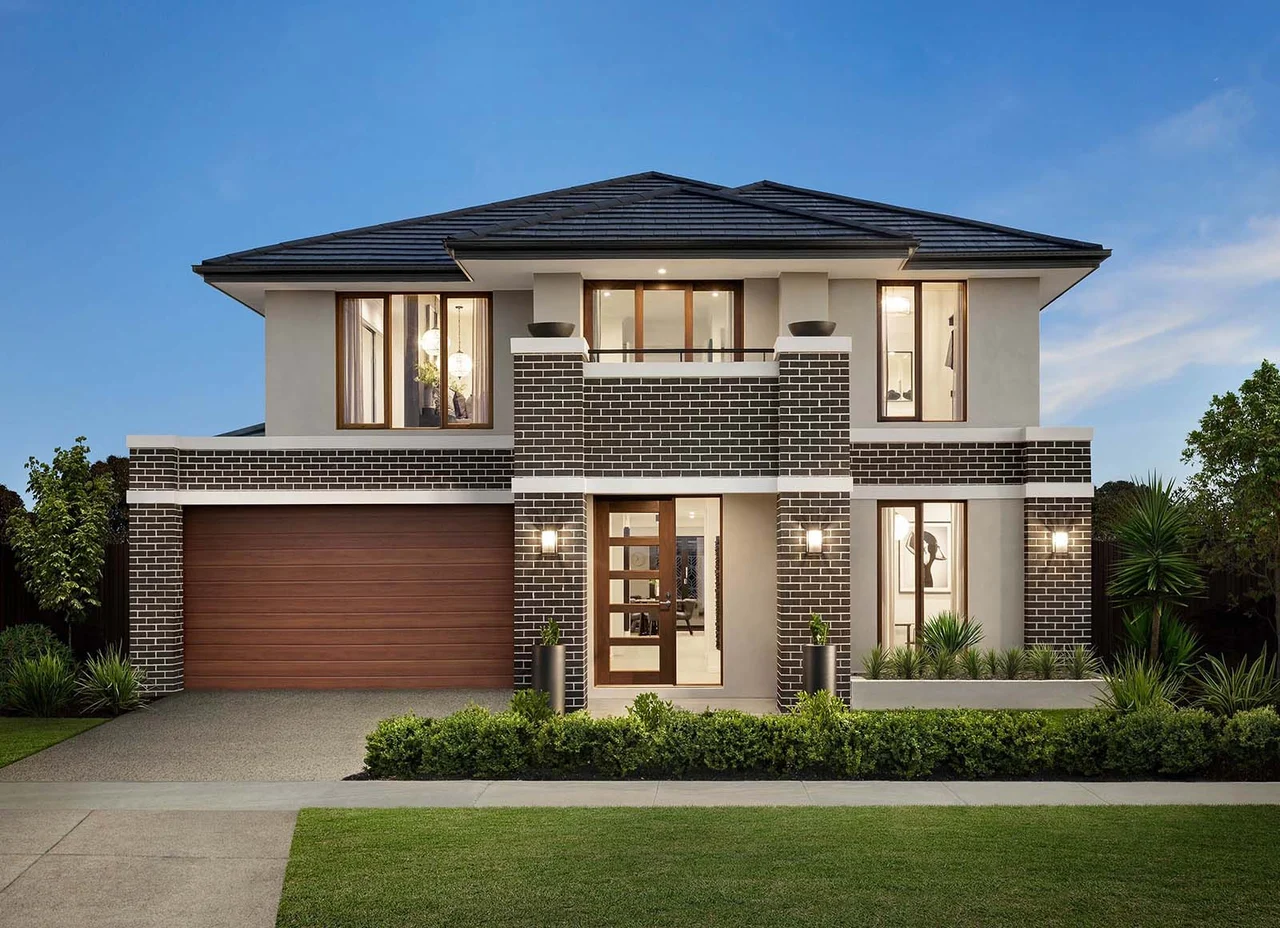
What is R-value?
R-value measures the thermal resistance of an insulation material — essentially, how well it resists heat flow. R-values typically range from 1.5 to 7, and the higher the R-value, the better the insulation is at retaining heat during winter and blocking it out in summer.
R-values can vary depending on the direction of heat flow. ‘Up’ R-values refer to resistance against rising heat (often called ‘winter R-values’), while ‘down’ R-values refer to resistance against heat flowing downward (commonly known as ‘summer R-values’).
Why is R-value important?
Knowing the R-value of insulation products helps you compare their performance and choose the most suitable option for your new home.
In Australia, all new homes must meet minimum energy-efficiency standards set by each state. Choosing insulation with the appropriate R-values can help you meet these regulatory requirements.
It’s also useful to understand where high-performance insulation will make the biggest difference. For example, since most heat is lost or gained through the roof, using insulation with a higher R-value in the ceiling is typically more effective than in the walls.
Material vs. Total R-values
Insulation products are usually labelled with a material R-value, which indicates the performance of the insulation itself. However, the total R-value represents the overall thermal resistance of the entire structure — including insulation, building materials, and air gaps — giving a more accurate picture of how the system performs as a whole.
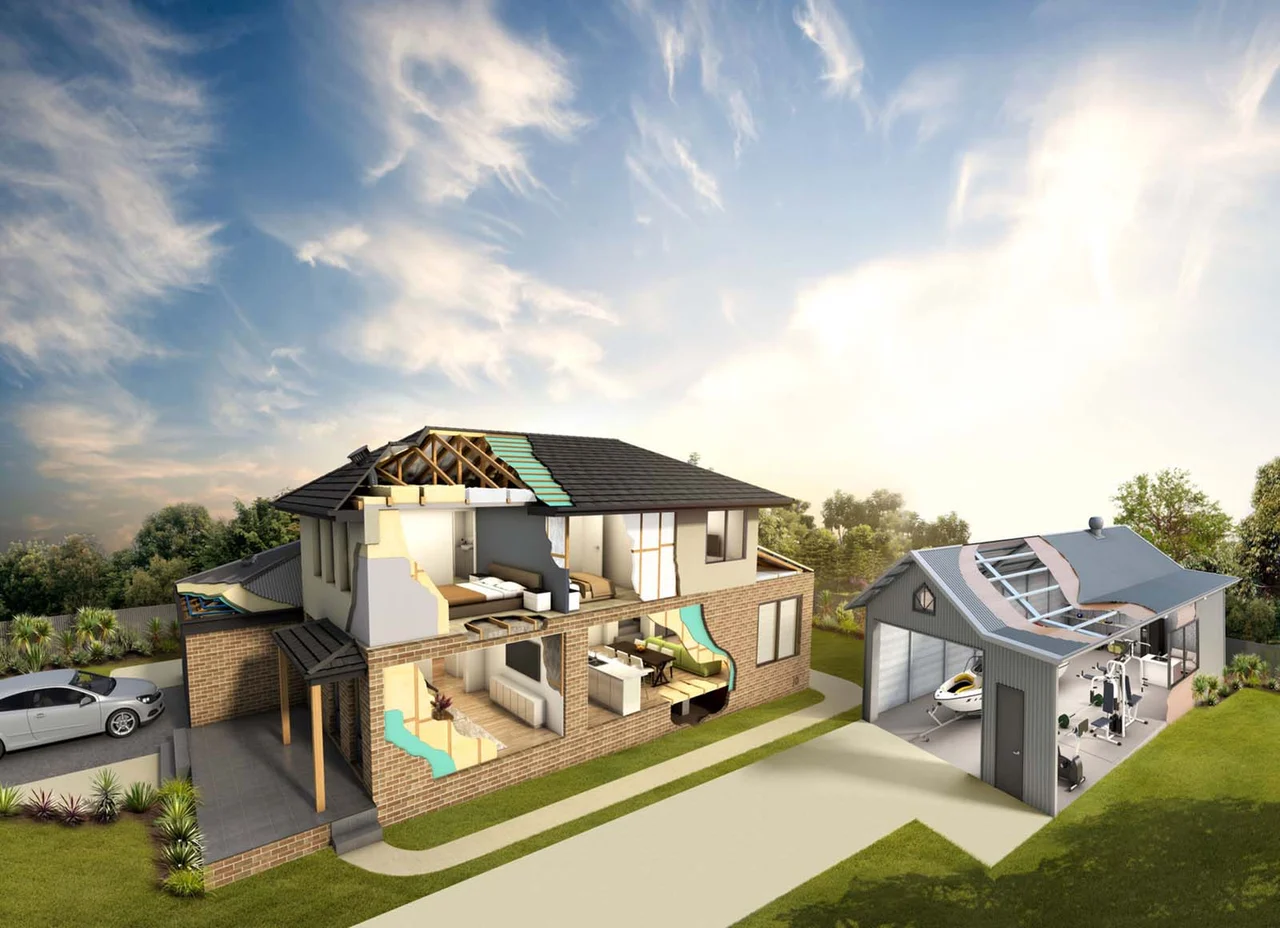
What’s Included with Melbourne Homes?
Every home is built to meet a seven-star energy rating, using premium insulation products from CSR Bradford. This includes wool ceiling and wall batts, as well as breathable wall wrap applied to all external walls — even those in the garage.
The standard insulation R-value for your new home is based on your location, climate zone, and required energy rating. This is assessed during your Colour Selection appointment to ensure compliance with the minimum energy-efficiency standards for your area.
If you’d like to exceed the minimum requirements and improve your home’s energy efficiency even further — helping reduce ongoing heating and cooling costs — insulation upgrades are available. This includes products with higher R-values, such as Bradford’s Hi-Performance range, which features Australia’s highest-rated insulation at R7.0.
What Should I Consider When Choosing an R-Value?
Your location, climate, and budget are key factors when selecting the right R-value for your insulation. Our expert design consultants will help guide you through the options to find the ideal insulation level that delivers comfort, efficiency, and value for your specific needs.